


BACK IN STOCK

BACK IN STOCK
Discover our Banana Matcha
Milia World

Our story
A family passion

our matcha
Japanese craftsmanship passed down from generation to generation

the benefits
A drink with multiple benefits.

the blog
Check out our news

Guide
Between work, school, and daily life, busy days demand sustained focus for hours on end. To keep going, many turn to coffee. But more and more people are looking for a more steady source of energy—without the initial rush followed by a crash. That’s where matcha comes in: a naturally caffeinated beverage that’s popular for helping you stay focused when you need to pay attention.
Matcha has a unique characteristic that sets it apart from other caffeinated beverages: it naturally combines caffeine with L-theanine, an amino acid (one of the building blocks of proteins) found in large quantities in tea leaves grown in the shade. This combination is at the heart of its reputation.
Caffeine helps maintain alertness; L-theanine, on the other hand, is being studied for its calming effect, which does not cause drowsiness. Together, these two compounds appear to promote what is known as “calm alertness”: a state of sustained attention, with less nervousness than is sometimes felt after drinking a strong cup of coffee.
At Milia Matcha, we work exclusively with the Okumidori cultivar, grown in Mie and shaded for three to four weeks before harvest, which promotes the accumulation of L-theanine in the leaves. This is what gives it its sweetness, umami, and low bitterness, and it’s also what makes it a popular companion for workdays. We explain this process in detail in our article on matcha shading.
Several studies have examined the effects of the caffeine-L-theanine combination on attention. An important clarification: these studies focus on specific doses of each compound, taken separately, and not on a cup of matcha. Nevertheless, they help explain why this combination has generated so much interest.
These studies point to the same conclusion: the combination of caffeine and L-theanine appears to promote more stable attention and better performance than caffeine alone. One point of clarification, however: the doses tested (approximately 100 mg of L-theanine) are equivalent to several cups of matcha, with a 2-gram serving typically providing 20 to 45 mg[4]. Matcha is not an L-theanine “supplement,” but it remains the only common beverage that naturally combines the two molecules in proportions not found in either coffee or energy drinks.
To learn more about the differences between the two drinks
Matcha vs. Coffee: The Complete Comparison
Matcha is best enjoyed when your attention is most needed. Many people enjoy their first cup in the morning to kick off the day; others have it in the early afternoon to get through the post-lunch slump without feeling jittery.
Work, studying, exam prep, or a long creative session: Matcha easily fits into the daily routine of students and working people alike, whether at the office or at home. If you’re sensitive to caffeine, just avoid drinking it too late in the day.
A routine only works if it’s easy to stick to, even during busy weeks. That’s why we offer a flexible subscription: you choose your flavor and delivery frequency (every 1, 2, or 3 months), you get 10% off each delivery, and you can change, pause, or cancel your subscription from your customer account. For our most loyal customers, our 6- and 12-month prepaid packages offer up to 20% off with free shipping.
Beyond its preparation—whisking the matcha and then taking a few minutes to savor it—is also a way to slow down before tackling the day. Perhaps that’s where its true power lies: not in what it offers in the moment, but in the sense of routine it establishes. A simple ritual, repeated every morning or early afternoon, that anchors your attention in a calm routine rather than in a sense of urgency.
To learn more, check out our Matcha Guide
How to Choose High-Quality Matcha, Prepare It, and Enjoy It to the Fullest
Frequently Asked Questions
Matcha naturally contains caffeine and L-theanine, a combination that has been the subject of several studies. These studies suggest that the combination may promote attention and alertness more effectively than caffeine alone. The effects vary from person to person and are best experienced as part of a balanced diet and lifestyle.
Like coffee, it contains caffeine. What sets it apart is the presence of L-theanine, which appears to provide a more gradual energy boost and reduce nervousness. Many people choose it for this reason, especially when they have trouble coping with the energy fluctuations caused by coffee.
A cup of matcha made with 1 to 2 g of powder generally contains 30 to 70 mg of caffeine, compared to about 90 mg in a 200-ml cup of filter coffee[4][5]. The caffeine content varies depending on the cultivar, the amount of shading, and, above all, the amount of powder used: a strongly brewed matcha can be comparable to coffee.
Yes. It is an amino acid that occurs naturally in the tea plant and is particularly concentrated in leaves that have been shaded before harvest, such as those used for matcha. It is also what gives matcha its umami flavor.
In the morning or early afternoon, when your attention is most in demand. If you're sensitive to caffeine, avoid taking it late in the day.
It is one of the most common uses among both students and working professionals. Its combination of caffeine and L-theanine makes it a popular drink for long sessions that require sustained attention.
[1] Giesbrecht, T., Rycroft, J. A., Rowson, M. J., & De Bruin, E. A. (2010). The combination of L-theanine and caffeine improves cognitive performance and increases subjective alertness. Nutritional Neuroscience, 13(6), 283–290. https://doi.org/10.1179/147683010X12611460764840
[2] Kelly, S. P., Gomez-Ramirez, M., Montesi, J. L., & Foxe, J. J. (2008). L-theanine and caffeine in combination affect human cognition as evidenced by oscillatory alpha-band activity and attention task performance. The Journal of Nutrition, 138(8), 1572S–1577S. https://doi.org/10.1093/jn/138.8.1572S
[3] Owen, G. N., Parnell, H., De Bruin, E. A., & Rycroft, J. A. (2008). The combined effects of L-theanine and caffeine on cognitive performance and mood. Nutritional Neuroscience, 11(4), 193–198. https://doi.org/10.1179/147683008X301513
[4] Kochman, J., Jakubczyk, K., Antoniewicz, J., Mruk, H., & Janda, K. (2021). Health benefits and chemical composition of matcha green tea: a review. Molecules, 26(1), 85. https://doi.org/10.3390/molecules26010085
[5] EFSA (2015). Scientific Opinion on the Safety of Caffeine. EFSA Journal, 13(5), 4102. https://doi.org/10.2903/j.efsa.2015.4102
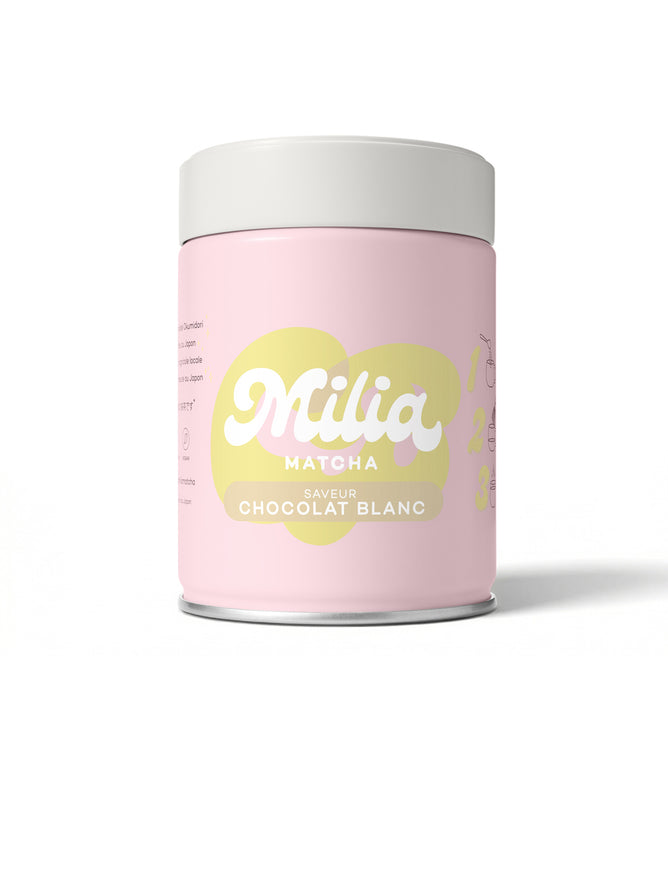
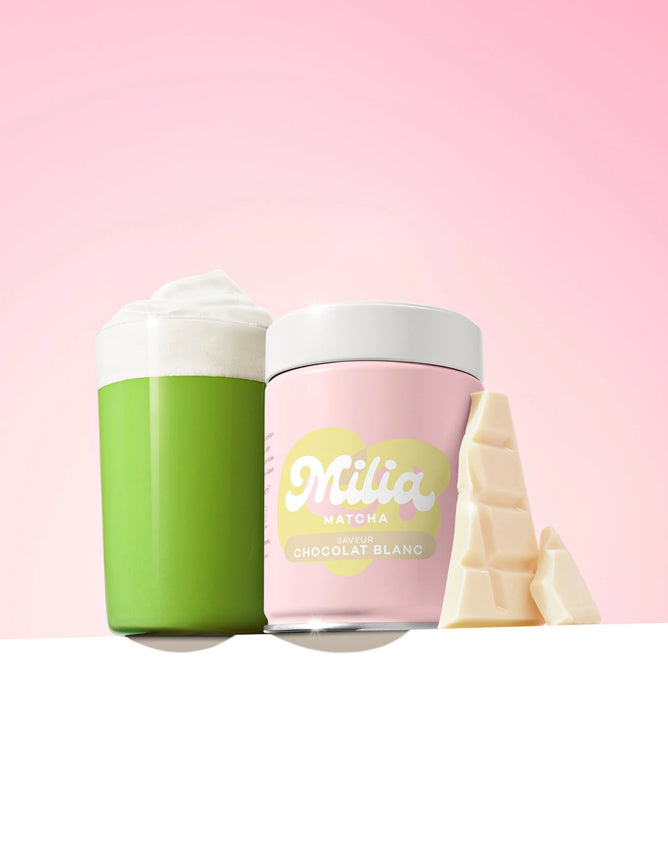
Ceremonial Matcha
White chocolate
100G
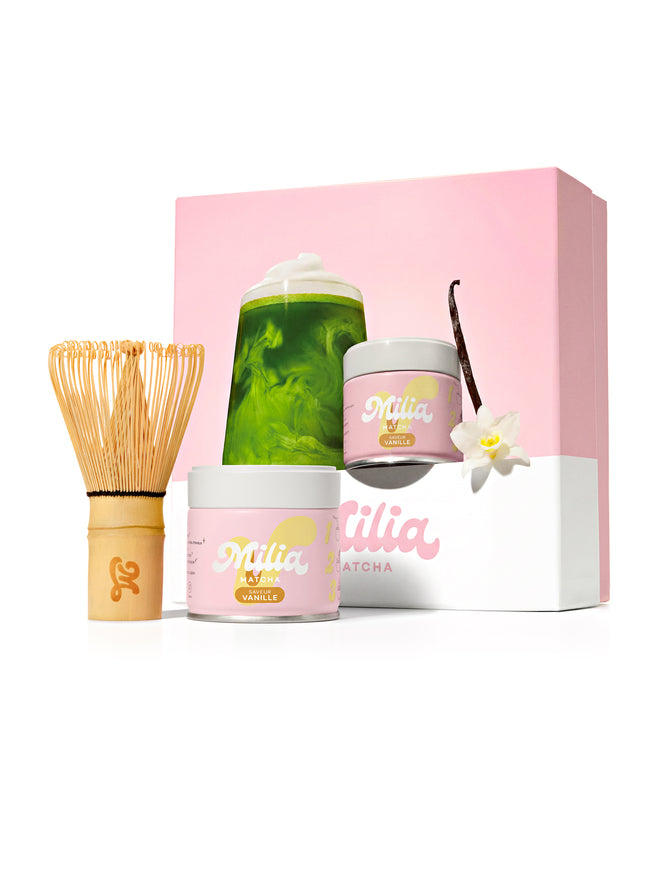
THE ESSENTIALS
Vanilla
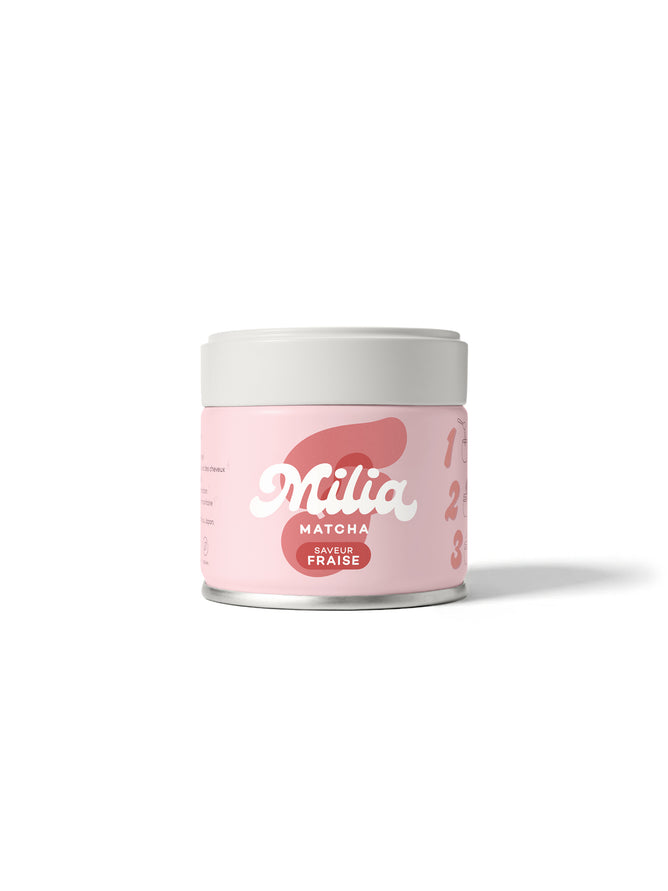
Ceremonial Matcha
Strawberry
30G
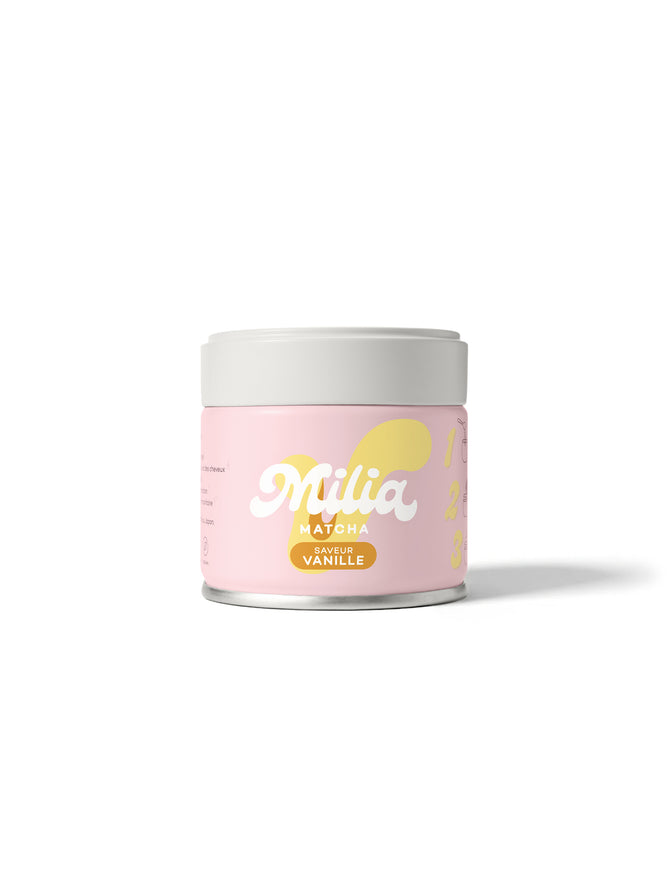
Ceremonial Matcha
Vanilla
30G


