


BACK IN STOCK

BACK IN STOCK
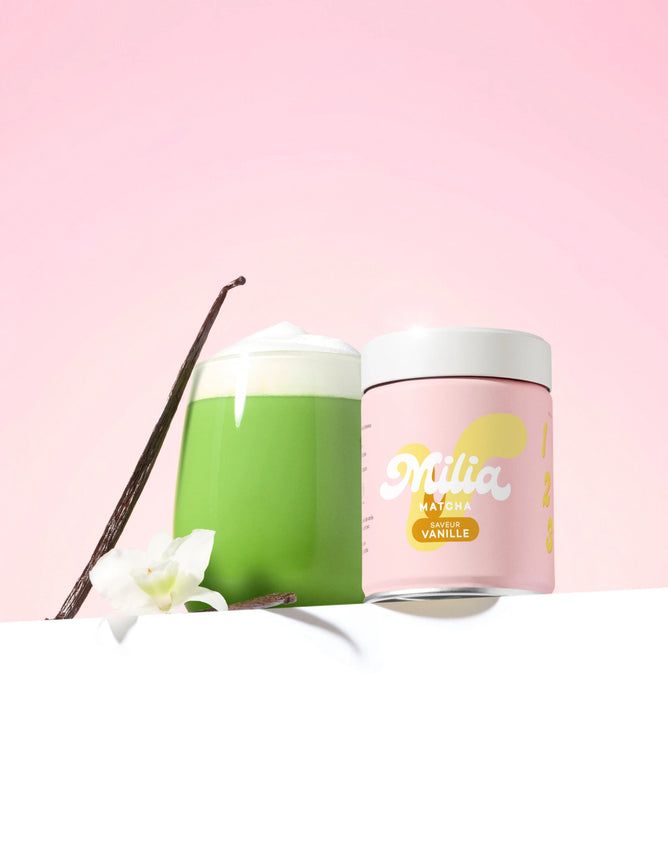
Discover our Vanilla Matcha
Milia World

Our story
A family passion

our matcha
Japanese craftsmanship passed down from generation to generation

the benefits
A drink with multiple benefits.

the blog
Check out our news

Guide
Article published on September 11, 2026
A few weeks before harvest, the tea plants grown for matcha are covered with nets to shield them from direct sunlight. This step—shading—is responsible for most of what distinguishes high-quality matcha from ordinary green tea powder: its color, its smoothness, and its composition.
Shading is an agricultural technique that involves covering tea plants several weeks before harvest to significantly reduce the amount of light they receive.
In practice, the rows of tea plants are covered with black synthetic nets. For matcha, the coverage rate ranges from 60 to 98 percent of sunlight exposure, most often around 85 percent; some producers increase the coverage in the final days to produce the highest-quality tencha[1].
The net can be placed directly on the tea plants, stretched in a low tunnel above the rows, or installed on a tall structure (tana). Direct shading is by far the most common method in Japan: it is used by the vast majority of tencha and kabusecha producers, as well as in the Mie tea-growing tradition, and it was under direct shading that the benchmark study on shading intensity cited below[2] was conducted. The tall structure, a legacy of the historic gyokuro gardens, still exists on a few exceptional plots. Regardless of the method, what determines the quality of the shading is how it is managed: the timing of installation, the chosen intensity, the daily monitoring of the shoots, and the exact moment of removal, a few hours before harvesting.
At Milia Matcha, our Okumidori tea fields in Mie are shaded under direct cover for 3 to 4 weeks before the first harvest of the year (ichibancha) in early May—a period chosen to maximize the accumulation of L-theanine without compromising the leaf’s aromatic profile.
Further Reading
Our harvest
Not to be confused with
Not all shaded teas become matcha. Gyokuro is also shaded, but its leaves are rolled into needles and steeped; kabusecha is shaded for only about fifteen days. What makes matcha is what comes next: the shaded leaf is steamed, dried flat, stripped of its stems and veins (at which point it becomes tencha), and then ground with a stone mill.
Depriving a plant of light is not a trivial matter. It is a form of stress to which the tea plant responds with a series of compensatory mechanisms, and it is precisely these mechanisms that growers seek to trigger.
Without direct light, the tea plant compensates by producing more chlorophyll: it activates key genes involved in its biosynthesis and increases the density of chloroplasts in its leaf cells[3]. The result is measurable. In a Japanese study conducted under direct shade, after 20 days of shading in the spring, the chlorophyll content of the leaves increased from approximately 2.1 to 3.4 mg per gram of fresh leaf—a rise of more than 60% [2][4]. It is this accumulation that produces the bright green color characteristic of high-quality matcha.
A yellow or dull-looking matcha is therefore not just a matter of oxidation: it is often a sign of insufficient shading earlier in the process—a fact that the powder’s color reveals even before the first sip.
One finding is worth noting. When researchers at NARO, the National Agricultural Research Organization of Japan, analyzed ten commercially available grades of tencha, the two highest-grade varieties had a slightly lower chlorophyll content than the grades immediately below them—a finding the authors attribute to particularly intense shading[5]. Beyond a certain threshold, light deprivation ultimately limits chlorophyll synthesis itself. Therefore, greener does not always mean better: what matters is the balance between duration, intensity, and cultivar.
This is the most significant—and best-documented—effect of shading. However, one detail that few sources mention changes the way we understand it: theanine is not produced in the leaves. It is synthesized in the roots of the tea plant and then transported upward through the sap to the young shoots[6].
Under conditions of light deprivation, the expression of genes that control the biosynthesis of theanine in the roots increases significantly, as does that of the transporters that carry it from the roots to the shoots. Shading, therefore, does more than simply prevent the breakdown of theanine in the leaves; it stimulates its production at the source[4][6].
This high concentration of L-theanine explains several things you notice in your cup:
The same NARO team measured this threshold in commercially available samples: the ceremonial matcha samples analyzed all contained more than 1.8 g of theanine per 100 g of dry matter, while most industrial matcha and ordinary green tea powders fell below that level. This difference is directly related to the quality of the shading[5].
In direct sunlight, the leaf devotes part of its resources to the synthesis of catechins, the polyphenols responsible for the bitterness and astringency of green tea. Theanine plays an indirect role in this process: under strong light, it is broken down into glutamate and ethylamine, and this ethylamine serves as a building block for the production of catechins. By depriving the leaves of light, shading inhibits this pathway: theanine is preserved, and catechin production slows down[4].
Shading not only alters the chemical composition of the leaf, it also changes its aroma. Two volatile molecules, phytol and tridecane, have been found only in powders made from shaded leaves, and never in powders from tea grown in the sun[4].
For their part, sensory analyses published in 2022 distinguish high-end matcha by a note described as “seaweed,” similar to nori—fresh and slightly toasty—whereas lower grades tend to have notes of cut grass, greasiness, or overcooked flavors[8].
Shade also affects the structure of the leaf. Young shoots grown in the shade are thinner, less dense, and less fibrous than those grown in the sun[2][7].
This is one of the reasons why a well-shaded matcha has a silkier mouthfeel: the quality of the powder begins in the field, long before it reaches the grinding stones.
If the shading period is too short, the plant does not have enough time to fully activate its compensatory mechanisms. However, the relationship between intensity and quality is not linear: providing more shade does not automatically result in better matcha.
A study published in 2022 compared, gene by gene and molecule by molecule, tea plants shaded at 85% and 95%[7].
The optimal window is therefore narrow in both directions. This is where artisanal producers make a difference: they carefully adjust the duration and intensity, plot by plot, rather than pushing the limits to the maximum.
Not all tea plants respond to shading in the same way. This is one of the reasons why the cultivar is just as important a factor as the technique itself.
As highlighted in the comprehensive review on matcha published in 2024, sensitivity to shading is one of the most important selection criteria for a cultivar intended for matcha production[4].
Okumidori is one of the most popular cultivars because of how well it responds to shade. When deprived of light, it produces remarkably high concentrations of L-theanine, which explains its natural sweetness and very low bitterness. A late-budding cultivar, whose buds emerge about ten days after those of Yabukita, it is prized for tencha and gyokuro but remains rare, accounting for approximately 4% of Japan’s tea-growing area[9].
Shading is a technique; the cultivar determines how effectively the plant can use it.
Shading has a direct cost for the grower. By reducing light, it slows down photosynthesis and thus plant growth, causing yields to drop. An experimental study conducted in 2024 measured this: at 75% shading, the fresh leaf yield dropped to 69 g/m², compared to 170 g/m² in full sun—less than half[10].
In addition to this loss, there are the costs of the nets, manual installation and removal, daily monitoring over several weeks, and increased fertilization, which is necessary to compensate for reduced photosynthesis and maintain the amino acid content of the shoots[4].
Understanding shading also means understanding why some matcha varieties suit you better than others.
If you're looking for a matcha to drink straight, without sugar, that offers a gentle energy boost and a silky texture, check to see if the shading period is listed and which cultivar was used. These two pieces of information will tell you almost everything about what you'll find in your bowl.
If, on the other hand, your matcha remains bitter despite using water at 70–80 °C and whisking it thoroughly, this is generally not a preparation issue: it is often a sign of insufficient shading, an unsuitable cultivar, or a late harvest.
Shading isn't just one technique among many in matcha production. It's the step that transforms an ordinary tea leaf into something else entirely: milder, richer in L-theanine, denser in chlorophyll, and more complex in aroma. It is this process that explains why high-quality matcha is naturally sweet without added sugar, has a vibrant green color without artificial coloring, and is energizing without causing jitters.
Frequently Asked Questions
Shading deprives the leaves of direct light, triggering a series of reactions: an increase in chlorophyll, an accumulation of L-theanine, and a reduction in bitter catechins. These changes give matcha its intense green color, natural sweetness, and distinctive flavor profile.
Generally, between 3 and 4 weeks, with a coverage rate of 60 to 98 percent, depending on the producer. Shading for less than two weeks results in incomplete coverage. The exact duration depends on the cultivar and the climate that year.
No. Only teas intended for matcha (tencha), gyokuro, and kabusecha are shaded, with kabusecha being shaded for a shorter period. The vast majority of Japanese green tea (sencha, bancha, hōjicha) is grown in full sun. Ordinary green tea powder, which is not shaded, does not have the chemical profile of true matcha.
Yes, slightly higher: Shade generally promotes the concentration of nitrogen-containing compounds, including caffeine[2]. But it is primarily the effect on L-theanine that matters: it is L-theanine that modulates the action of caffeine and produces a gentle, prolonged stimulation rather than a spike followed by a crash.
Two indicators: color (a bright, vibrant green—neither dull nor yellowish) and taste (a natural sweetness, with little or no pure bitterness). If a brand specifies the duration of shading and the cultivar, this is a good indicator of transparency. In laboratory tests, a well-shaded ceremonial matcha contains more than 1.8 g of theanine per 100 g and has an EGCG/EGC ratio greater than 3.2[5].
Because it reduces yield: at 75% shading, the fresh leaf harvest can be reduced by more than half. Added to this are the costs of netting, labor, and increased fertilization. Significant shading is structurally more expensive to implement.
[1] Yamashita, H., et al. (2020). Phenotypic markers reflecting the status of overstressed tea plants subjected to repeated shade cultivation. Frontiers in Plant Science, 11, 556476. https://doi.org/10.3389/fpls.2020.556476
[2] Sano, T., et al. (2018). Effect of shading intensity on morphological and color traits and on chemical components of new tea (Camellia sinensis L.) shoots under direct covering cultivation. Journal of the Science of Food and Agriculture, 98(15), 5666–5676. https://doi.org/10.1002/jsfa.9112
[3] Gu, H., et al. (2021). Mechanism underlying shading-induced chlorophyll accumulation in tea leaves. Frontiers in Plant Science, 12, 779819. https://doi.org/10.3389/fpls.2021.779819
[4] Ye, J.-H., et al. (2024). A comprehensive review of matcha: production, food applications, potential health benefits, and the gastrointestinal fate of major phenolic compounds. Critical Reviews in Food Science and Nutrition, 64(22), 7959–7980. https://doi.org/10.1080/10408398.2023.2194419
[5] Horie, H., Ema, K., & Sumikawa, O. (2017). Chemical components of matcha and powdered green tea. Journal of Cookery Science of Japan, 50(5), 182–188. https://doi.org/10.11402/cookeryscience.50.182
[6] Yang, T., et al. (2021). Shading promoted theanine biosynthesis in the roots and its allocation to the shoots of the tea plant (Camellia sinensis L.) cultivar Shuchazao. Journal of Agricultural and Food Chemistry, 69(16), 4795–4803. https://doi.org/10.1021/acs.jafc.1c00641
[7] Chen, X., Ye, K., Xu, Y., Zhao, Y., & Zhao, D. (2022). Effect of shading on the morphological, physiological, and biochemical characteristics as well as the transcriptome of matcha green tea. International Journal of Molecular Sciences, 23(22), 14169. https://doi.org/10.3390/ijms232214169
[8] Luo, Y., et al. (2022). Characterization of the key aroma compounds of Shandong matcha using HS-SPME-GC/MS and SAFE-GC/MS. Foods, 11(19), 2964. https://doi.org/10.3390/foods11192964
[9] Japanese Ministry of Agriculture, Forestry, and Fisheries (MAFF) (2024). The State of the Tea Industry – Cultivated Areas by Cultivar, 2023 Data. https://www.maff.go.jp/j/seisan/tokusan/cha/
[10] Mete, D., & Şavşatlı, Y. (2025). The effects of shading on some agronomic traits of tea plants (Camellia sinensis (L.) Kuntze). Recep Tayyip Erdogan University Journal of Science and Engineering, 6(3), 852–860. https://doi.org/10.53501/rteufemud.1763906
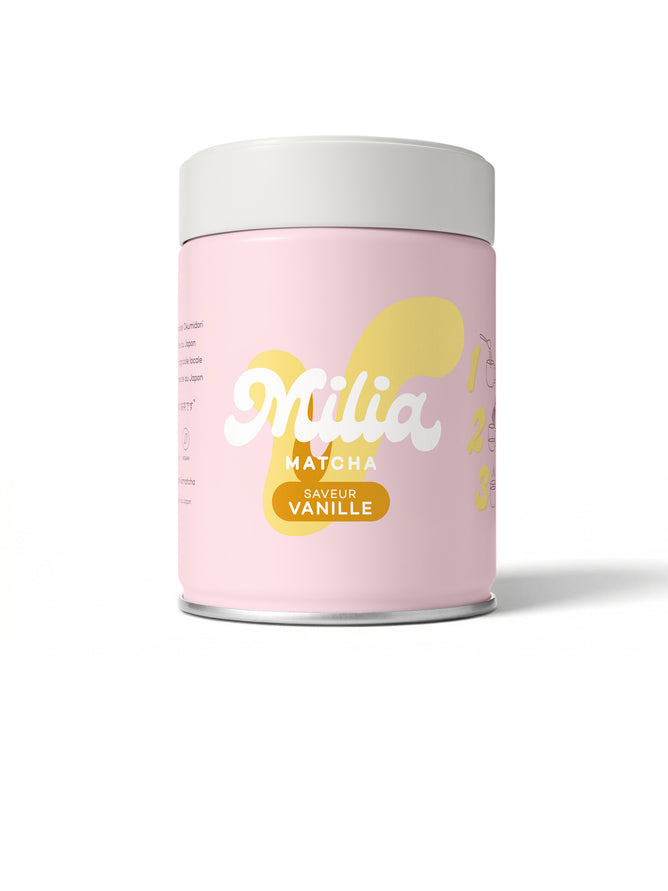
Ceremonial Matcha
Vanilla
100G
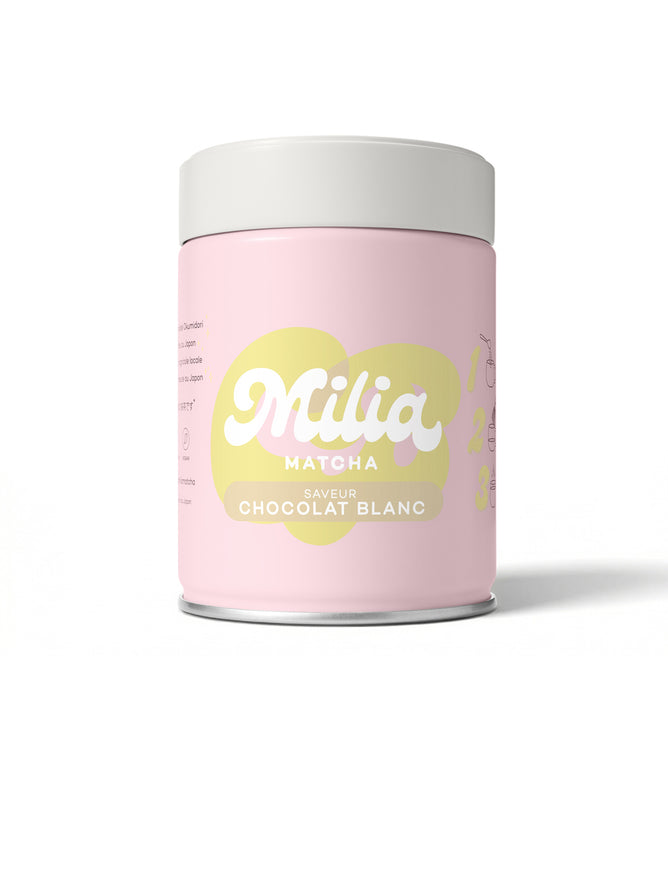

Ceremonial Matcha
White chocolate
100G
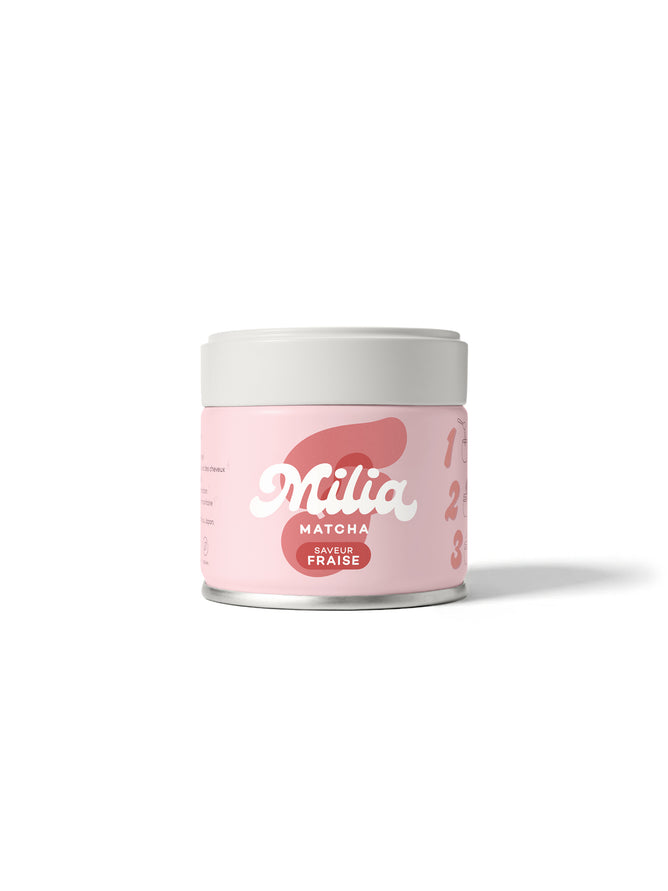
Ceremonial Matcha
Strawberry
30G
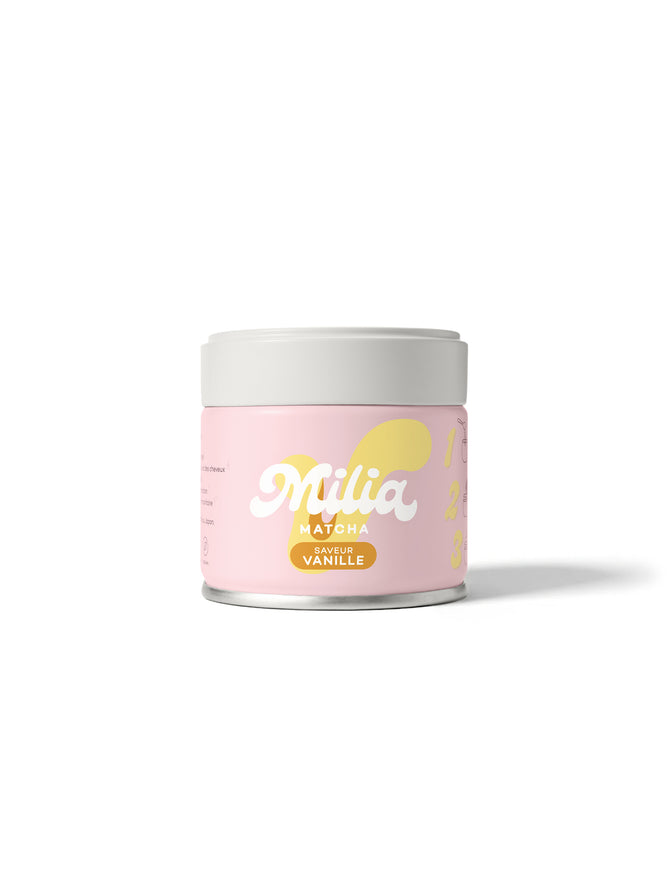
Ceremonial Matcha
Vanilla
30G


