


BACK IN STOCK

BACK IN STOCK
Discover our Vanilla Matcha
Milia World

Our story
A family passion

our matcha
Japanese craftsmanship passed down from generation to generation

the benefits
A drink with multiple benefits.

the blog
Check out our news

Guide
Article published on 29 May 2026.
Are you looking for pesticide-free matcha that’s been carefully cultivated and is fully traceable? The natural instinct is often to turn to organic products, and that makes sense. But when it comes to matcha, the label doesn’t always tell the whole story.

Our matcha is grown in the heart of Mie Prefecture
Organic farming is based on a specific framework: a ban on synthetic pesticides, traceability, regular inspections, and compliance audits. It serves as a useful benchmark, and in many cases, it already instills a genuine sense of trust.
However, an organic label does not tell the whole story about the final product. Above all, it certifies that the production method complies with a set of specifications, not that the finished product is completely free of residues. Furthermore, specifications, inspection procedures, and administrative requirements may vary by country (Ben-Othmen, 2025).
For these reasons, independent analyses remain important, especially for a product like matcha, which is consumed in its whole-leaf powder form.
Matcha is not like other teas. You don't just steep the leaves—you consume the entire leaf, ground into a fine powder.
Further Reading
What is matcha?
In other words, if even a trace of residue is present, it ends up directly in the cup. That is why the issue of purity is particularly important for this category of product.
The production process also matters: shade-grown cultivation, leaf selection, fine grinding, and Japanese craftsmanship. Matcha is a precision product, which explains why traceability and analysis play a significant role in purchasing decisions.
Japan has its own organic certification system, the JAS (Japan Agricultural Standard), which is overseen by the Ministry of Agriculture.
In practice, this system can be difficult for small-scale producers to access, as it involves high audit costs, complex and ongoing documentation, and burdensome administrative procedures; furthermore, unlike in the EU or the United States, there are no financial support measures in place (Sawanobori & Babicz, 2006).
"The economic and administrative burden placed on producers has grown all the more, even though it was virtually impossible to recoup these new expenses." — Sawanobori & Babicz, 2006
As a result, some producers farm without synthetic inputs but do not go so far as to seek certification, either because they are unwilling or unable to bear the administrative burden.
This is an important point to understand: in Japan, the absence of an organic logo does not automatically mean that good agricultural practices are not being followed.
Unlike in Europe, organic farming remains relatively niche in Japan. To understand the sector, here are some figures from the Japanese Ministry of Agriculture (2025):
At Milia Matcha, our matcha undergoes rigorous testing by an independent laboratory with every harvest. We have entrusted our testing to Eurofins Dr. Specht, a world-renowned laboratory that has specialized in the analysis of tea, herbs, and spices for over 50 years.

Quality Control
With a multi-residue method covering nearly 700 active ingredients and their metabolites, Eurofins Dr. Specht is one of the most comprehensive and rigorous laboratories in the world for this type of product.
By the Numbers
The goal is simple: to verify what the product actually contains, harvest after harvest, rather than relying solely on a certification or a claim on the packaging.
This approach is all the more relevant given that there have already been recalls of matcha and organic tea due to pesticide-related non-compliance, and that some organically farmed plots may be adjacent to conventional crops treated with pesticides, posing a risk of contamination from spray drift. In this context, analytical transparency becomes a key factor in building trust.
Here are the three key points of our approach:
Key Takeaways
No pesticide residues were detected, including glyphosate.
Eurofins Milia Matcha Analysis
View the full analysis report
Before you buy, ask the right questions. You can't judge good matcha by its packaging alone.
Check whether the brand can clearly tell you:
A label can help narrow down your choices. But when it comes to a product as delicate as matcha, it’s concrete evidence that makes the difference.
Beyond pesticides, the issue of heavy metals is just as critical. Naturally present in the environment, they are inevitably found in trace amounts in most teas. What really matters is not so much their presence as their precise concentration, which is rigorously quantified through laboratory analysis.
Further Reading
Heavy Metals in Matcha
The "organic" label remains a useful guide. But when it comes to Japanese matcha, it alone is not enough to judge the product's true quality.
Given the differences in certification, the administrative constraints in Japan, and the limitations of a label that primarily describes a process, it makes more sense to also consider independent analyses and actual traceability.
It is this combination that makes it possible to choose a matcha that is clearer, more transparent, and more credible.
Frequently Asked Questions
Not necessarily. The organic label prohibits synthetic pesticides, but it does not replace a direct analysis of the finished product. To find out what’s actually in the product, you need an independent laboratory test.
Yes. Some producers follow very clean practices without seeking organic certification, largely because of its cost and the administrative burden it entails in Japan. The absence of a certification label therefore does not prove the absence of good practices.
Because the entire leaf is consumed in powder form. Residue testing is therefore particularly important for this category. It’s a simple but essential difference.
This test is conducted by an accredited laboratory independent of the brand to detect the presence of chemical compounds (pesticides, herbicides, fungicides) in the matcha sample. Rigorous analyses screen for several hundred compounds simultaneously. The results are expressed in mg/kg and compared to the maximum residue limits (MRLs) established by European regulations.
Both systems share the same basic principles (ban on synthetic pesticides, traceability), but their inspection procedures, costs, and levels of support for producers differ significantly. A JAS-certified product may be imported and sold as organic in Europe under certain conditions, but the two labels are not strictly identical in their implementation.
Look for three things: a clear origin, independent analyses, and true transparency in documentation. If the brand remains vague about its results, that’s a red flag.
Ben-Othmen, M. (2025, 16 October). Why “organic” labels aren’t the same from one country to another. The Conversation.
Bernier, B. (2010). Organic Farming in Japan. Anthropologie et Sociétés, 34(1), 169–182.
FAO/WHO. (2006). Pesticide Residues in Food 2006.
Ministry of Agriculture, Forestry and Fisheries of Japan. (2025). The Situation Surrounding Organic Agriculture in Japan.
Sawanobori, S., & Babicz, L. (2006). Japanese Organic Agriculture Since the 1990s: Legislation and Official Policies. Ebisu, 35(1), 31–57.
Japan | Global Organic Trade Guide. (n.d.).
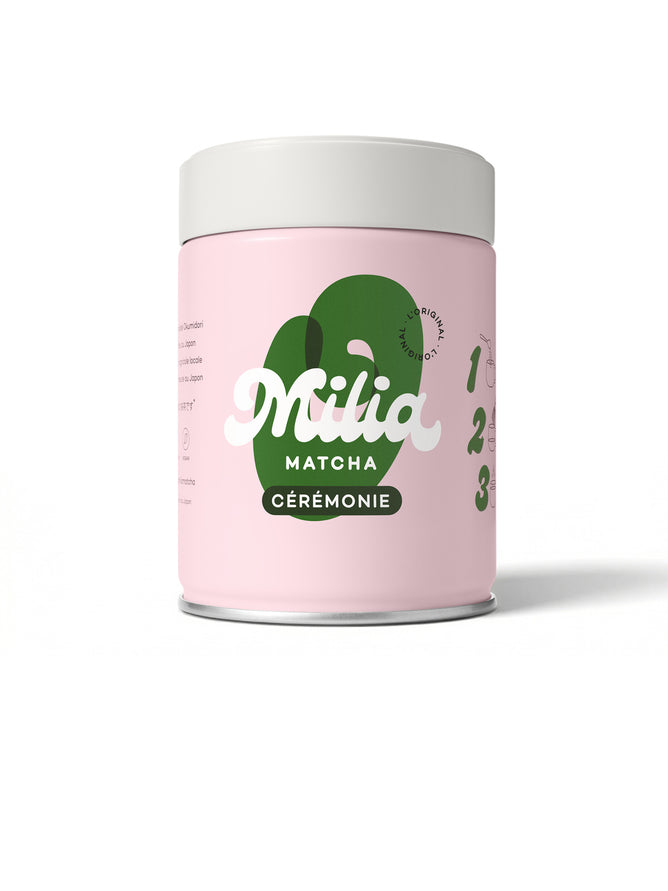
Ceremonial Matcha
Ceremonial
100G
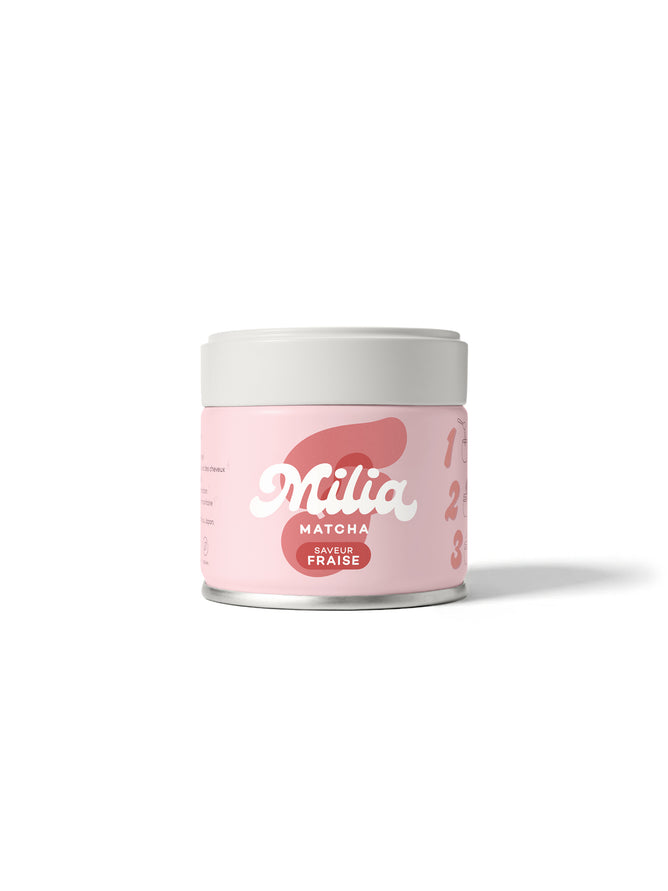
Ceremonial Matcha
Strawberry
30G
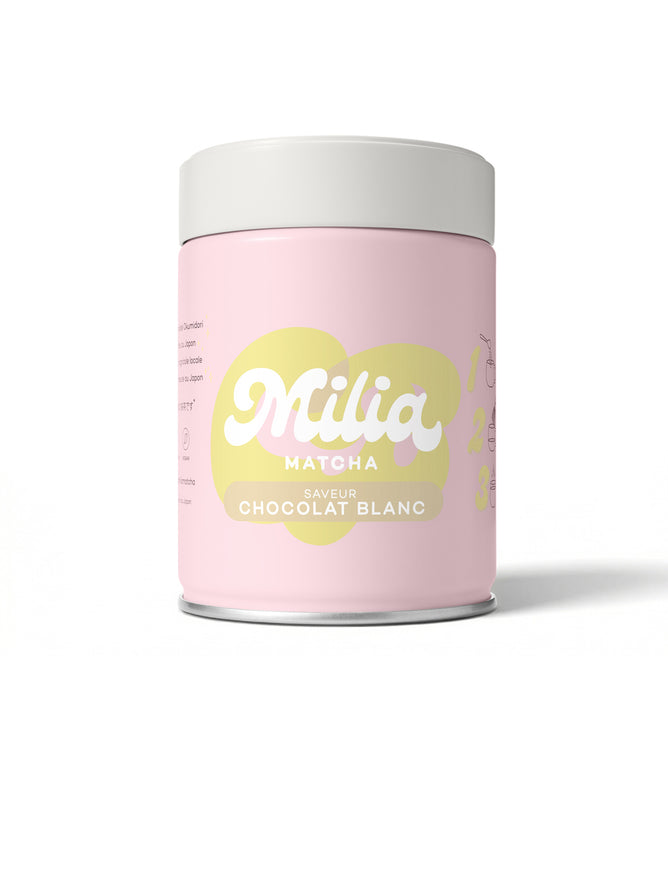

Ceremonial Matcha
White chocolate
100G
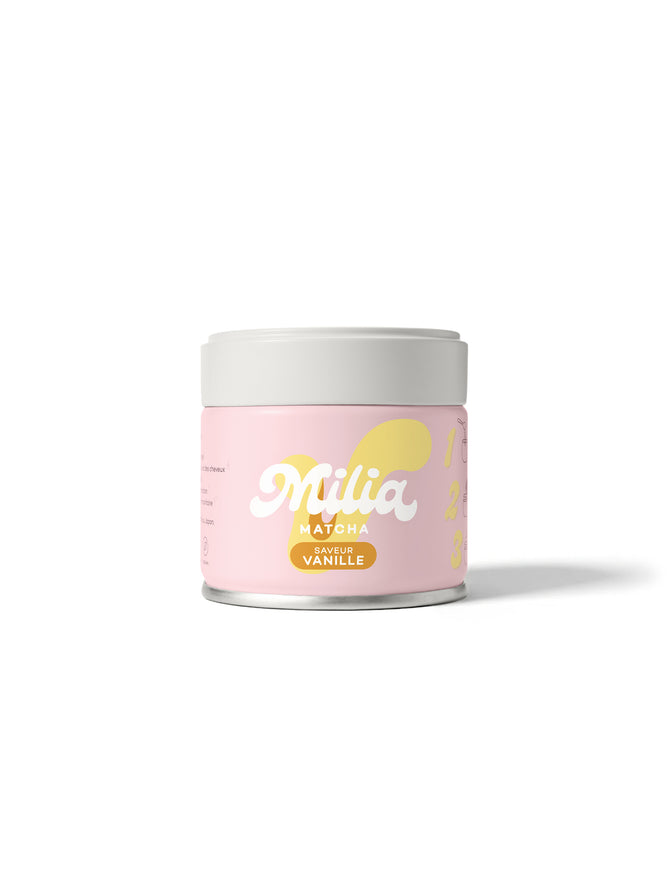
Ceremonial Matcha
Vanilla
30G


