


BACK IN STOCK

BACK IN STOCK
Discover our Banana Matcha
Milia World

Our story
A family passion

our matcha
Japanese craftsmanship passed down from generation to generation

the benefits
A drink with multiple benefits.

the blog
Check out our news

Guide
Article published on 29 May 2026.
Heavy metals, such as lead, cadmium, arsenic, and mercury, occur naturally in the soil. Any plant grown in open ground absorbs some of these metals—including tea, vegetables, grains, coffee, and cocoa. Traces of these metals are therefore found in virtually all teas, and matcha is no exception. No matcha has zero traces of these metals, and that would be impossible anyway.
What matters, therefore, is not their presence, but their level, and the ability to measure it accurately.
Heavy metals are neither additives nor treatment products: they are a natural part of the environment. Found naturally in rocks and soil, they are absorbed by plant roots as the plants grow.
The tea plant follows the same principle as spinach, rice, or cocoa, which are among the crops most affected. This is a characteristic of open-field farming, not something unique to matcha.
Matcha has a unique characteristic: it isn't brewed; instead, you consume the whole leaf, which has been ground into a powder. So everything found in the leaf is also found in the matcha you drink.
That's what makes laboratory analysis far more meaningful than a logo on the packaging: it measures what the finished product actually contains.
Further Reading
What Is Matcha? Origin, Health Benefits, and How to Choose It
What determines exposure to a heavy metal is not its concentration in a food, but the amount actually consumed.
However, matcha is typically consumed in very small quantities—about 2 grams of powder per bowl. A few comparisons can help put these quantities into perspective.
Regarding mercury: our matcha contains less than 0.01 µg per bowl. A piece of tuna sushi contains about 4.5 µg—the equivalent of nearly 500 bowls. A can of tuna is the equivalent of 2,600 bowls of matcha.
As for lead: our matcha contains about 0.19 µg per bowl. A serving of a few squares of dark chocolate (about 30 g) contains roughly 30 times that amount.
Our matcha is tested by Eurofins Dr. Specht, a world-renowned laboratory specialising in tea. Here are the results for heavy metals (test conducted on 21 April 2026; 2025 harvest sold in 2026).
Our matcha is tested by an independent laboratory, and we publish the results in the spirit of full transparency. You can view the complete test results:
Eurofins Milia Matcha Analysis
View the full analysis report
In our view, this is the only real answer on the subject of heavy metals: measured, accessible figures rather than a claim on the packaging.
Before making a purchase, there are a few simple questions you can ask to evaluate a brand. See if it can clearly tell you:
A reputable brand must be able to answer these questions. If the answer is vague, it often says a lot about the brand as a whole.
Heavy metals come from the soil: they are found in all foods grown in open fields, including matcha. What sets a product apart, therefore, is not an impossible-to-achieve absence of these metals, but the actual measured level, the exposure this represents when calculated per serving, and the brand’s transparency regarding its test results.
Frequently Asked Questions
Yes, just like all foods derived from plants grown in open fields. Heavy metals are naturally present in the soil and absorbed by plants. No matcha has zero heavy metals. What matters is the level present and the brand’s transparency.
It depends on the matcha, but it’s important to consider actual exposure. Matcha is typically consumed at a rate of about 2 grams per bowl. As a point of reference, a bowl of our matcha contains about 0.19 µg of lead, while a serving of dark chocolate contains about thirty times that amount.
Matcha is unique in that the entire leaf is consumed in powder form, rather than simply as an infusion. This is why laboratory analysis is particularly useful for matcha. However, the levels measured are comparable to—or even lower than—those found in other teas.
Ask the brand for its recent, publicly available laboratory test results, conducted by an independent organization. If the brand is vague or unable to provide them, that’s a red flag.
Lead in Tea — FSA / Fera, “Analyses of Lead Levels in Tea” (FS102115, 2015): 51 teas, ranging from 0.125 to 2.56 mg/kg.
Mercury and Fish — ANSES, “Methylmercury: A Health Risk Associated with High Fish Consumption.”
Tolerable Weekly Intake for methylmercury (1.3 µg/kg body weight) — EFSA, Scientific Opinion on Mercury and Methylmercury in Food (2012).
Cadmium, limit for leafy vegetables (0.20 mg/kg) — Regulation (EU) 2023/915.
Mercury in tea, limit 0.02 mg/kg — Regulation (EC) No. 396/2005.
Nickel, content in cocoa powder (~10.7 mg/kg on average) — Food Safety, Luxembourg (nickel fact sheet).
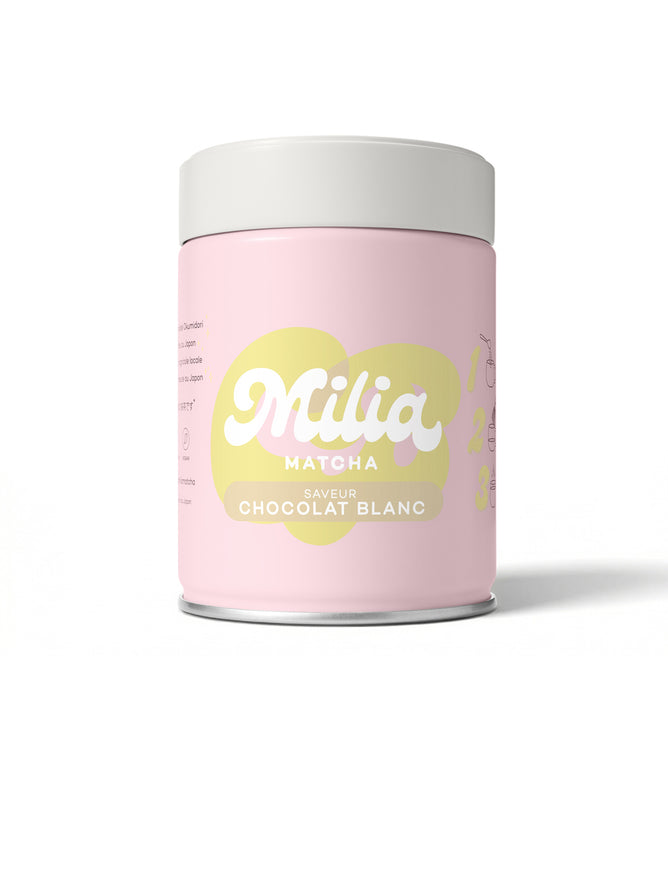

Ceremonial Matcha
White chocolate
100G
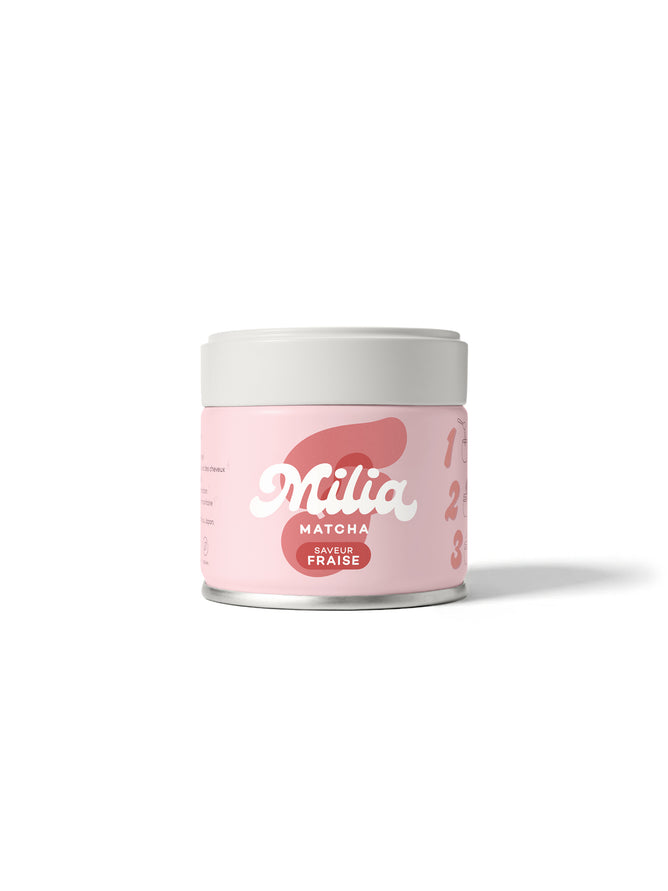
Ceremonial Matcha
Strawberry
30G
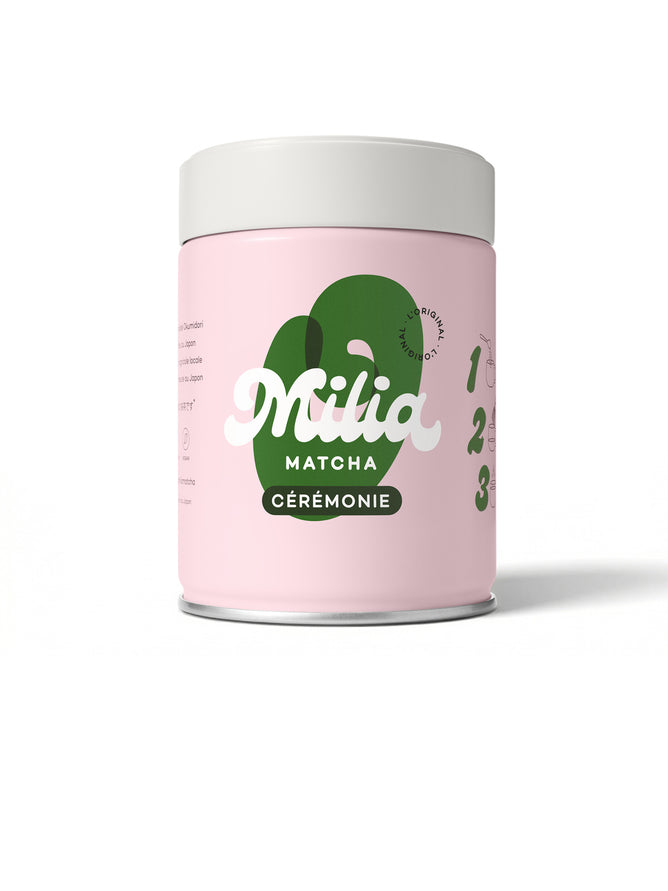
Ceremonial Matcha
Ceremonial
100G
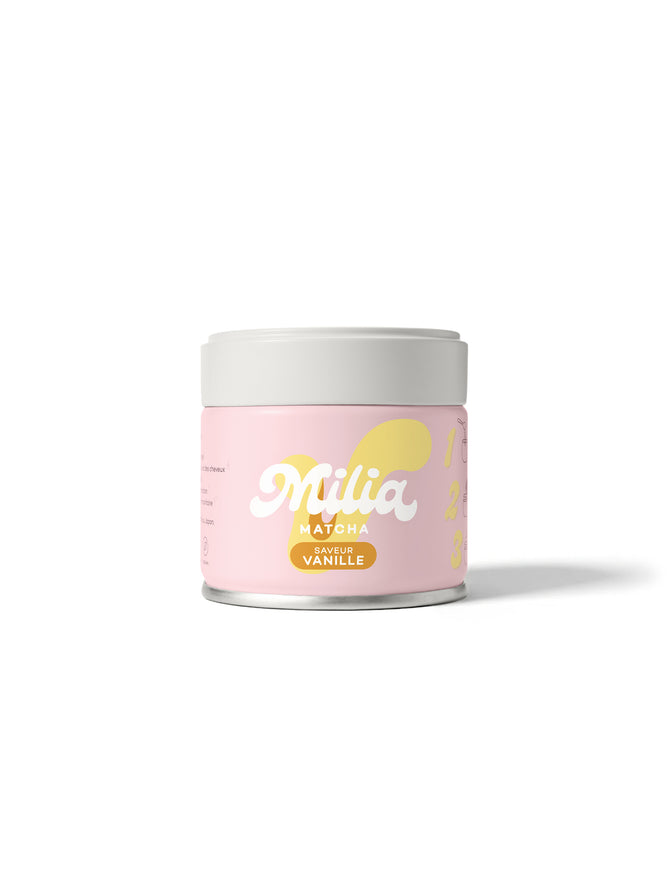
Ceremonial Matcha
Vanilla
30G


