


BACK IN STOCK

BACK IN STOCK
Discover our Vanilla Matcha
Milia World

Our story
A family passion

our matcha
Japanese craftsmanship passed down from generation to generation

the benefits
A drink with multiple benefits.

the blog
Check out our news

Guide
Article published on September 16, 2026.
It’s impossible to miss the alarmist videos circulating on social media about green tea, matcha, and iron. Between viral testimonials and oversimplifications, the topic raises a lot of questions—and quite a bit of confusion.
So we wanted to take a closer look at what the studies actually say—and, above all, give you some simple guidelines for incorporating our matcha into your routine without compromising your iron intake.
If you're new to matcha
Our Complete Guide to Matcha
Matcha, like all green teas, is rich in polyphenols, particularly catechins—the compounds responsible for its antioxidant properties. These same molecules have the unique ability to bind to iron in certain foods in the intestine, thereby reducing its absorption.
To understand the issue, it’s important to know that there are two types of iron in our diet:
The polyphenols in matcha bind to this second type of iron and form complexes that the intestine has difficulty absorbing. In practical terms, some of the plant-based iron in a meal becomes less bioavailable if matcha is consumed at the same time.
A Word of Honesty
Since matcha is made from whole leaves ground into a powder, one cup provides as many polyphenols as one to three cups of brewed tea[3]. There is therefore no reason to believe that matcha is an exception to this rule. The good news is that the effect depends almost entirely on when you drink it.
In 2017, a British research team measured iron absorption from a meal in twelve healthy women under three different conditions: with water, with a cup of black tea during the meal, and with the same cup of tea drunk one hour later[4].
Result: When consumed during a meal, tea reduced the absorption of plant-based iron by about 37 percent. When consumed one hour later, the effect dropped to 18 percent—half as much. This study focused on black tea, not matcha, but the mechanism is the same for all teas rich in polyphenols. Earlier studies have confirmed this for green tea[5], and for coffee, they have shown that waiting one hour before a meal also negates the effect[6].
Key Takeaways
The further matcha is consumed from iron-rich meals, the more the effect diminishes. After two hours, it becomes negligible.
The effect is most noticeable at mealtime, but the actual impact depends on what's on your plate and your individual profile.
If your meal contains meat, poultry, or fish, drinking matcha while eating has little effect: the iron in these foods is not affected.
On the other hand, some people get most of their iron from plant foods, or have higher-than-average iron needs[7]:
For people with these profiles, consistently drinking matcha in the middle of meals can, over time, affect their nutrient intake. The simple solution: save your matcha for another time of day.
Matcha and iron aren't incompatible—it's all a matter of timing. Whether you drink it on an empty stomach in the morning, mid-morning, or in the afternoon, your matcha ritual naturally fits into your day without interfering with your iron intake. If you're sensitive to iron, just make sure to leave an hour or two between your matcha and meals rich in iron.
This article is intended for informational purposes only and is not a substitute for medical advice. If you have a confirmed deficiency, experience unusual fatigue, or have any concerns, consult a healthcare professional.
Frequently Asked Questions
It does not prevent iron absorption, but it does reduce it when consumed with a meal rich in plant-based iron. The polyphenols in matcha bind to the iron in plants and reduce its absorption. Iron from meat and fish is virtually unaffected. When consumed between meals, matcha has no measurable effect.
On an empty stomach in the morning, one hour before breakfast, or mid-morning and mid-afternoon, at least one hour (ideally two) before main meals.
Yes, no problem. The iron in these foods is not affected by the polyphenols.
No. Just drink it between meals and pair your meals rich in plant-based iron with a source of vitamin C. If a blood test has revealed a deficiency, follow your doctor’s advice: the issue of tea is secondary to the treatment.
Yes, in moderation. Beyond iron, it’s the caffeine that matters: European health authorities recommend not exceeding 200 mg per day during pregnancy, which is about two cups of matcha[9]. It’s best to drink them between meals.
[1] Santé.fr (2024). Does drinking tea while eating prevent iron absorption? Ministry of Health. https://www.sante.fr/decryptage/nos-reponses/boire-du-en-mangeant-empeche-t-il-labsorption-du-fer
[2] Hurrell, R., & Egli, I. (2010). Iron bioavailability and dietary reference values. The American Journal of Clinical Nutrition, 91(5), 1461S–1467S. https://doi.org/10.3945/ajcn.2010.28674F
[3] Meyer, S., et al. (2023). Catechin composition, phenolic content, and antioxidant properties of commercially available bagged, gunpowder, and matcha green teas. *Plant Foods for Human Nutrition*, 78, 662–669. https://doi.org/10.1007/s11130-023-01121-2
[4] Ahmad Fuzi, S. F., Koller, D., Bruggraber, S., Pereira, D. I. A., Dainty, J. R., & Mushtaq, S. (2017). A 1-hour interval between a meal containing iron and tea consumption attenuates the inhibitory effects on iron absorption: a controlled trial in a cohort of healthy UK women using a stable iron isotope. The American Journal of Clinical Nutrition, 106(6), 1413–1421. https://doi.org/10.3945/ajcn.117.161364
[5] Samman, S., et al. (2001). Green tea or rosemary extract added to foods reduces nonheme iron absorption. The American Journal of Clinical Nutrition, 73(3), 607–612. https://doi.org/10.1093/ajcn/73.3.607
[6] Morck, T. A., Lynch, S. R., & Cook, J. D. (1983). Inhibition of food iron absorption by coffee. The American Journal of Clinical Nutrition, 37(3), 416–420. https://doi.org/10.1093/ajcn/37.3.416
[7] ANSES. Iron and Nutritional References for Vitamins and Minerals (2021). https://www.anses.fr/fr/content/le-fer
[8] Siegenberg, D., et al. (1991). Ascorbic acid prevents the dose-dependent inhibitory effects of polyphenols and phytates on nonheme iron absorption. The American Journal of Clinical Nutrition, 53(2), 537–541. https://doi.org/10.1093/ajcn/53.2.537
[9] EFSA (2015). Scientific opinion on the safety of caffeine. EFSA Journal, 13(5), 4102. https://doi.org/10.2903/j.efsa.2015.4102
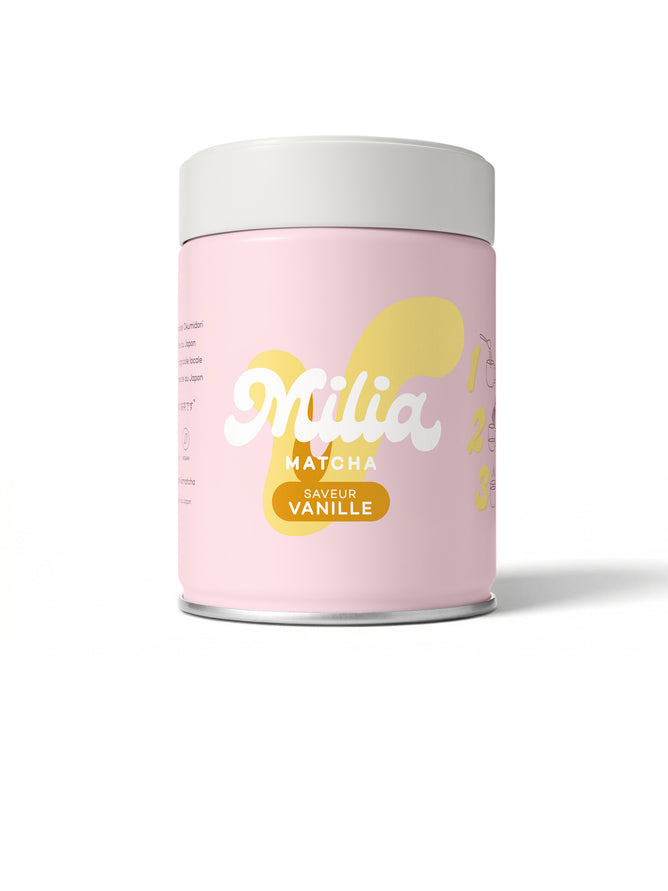
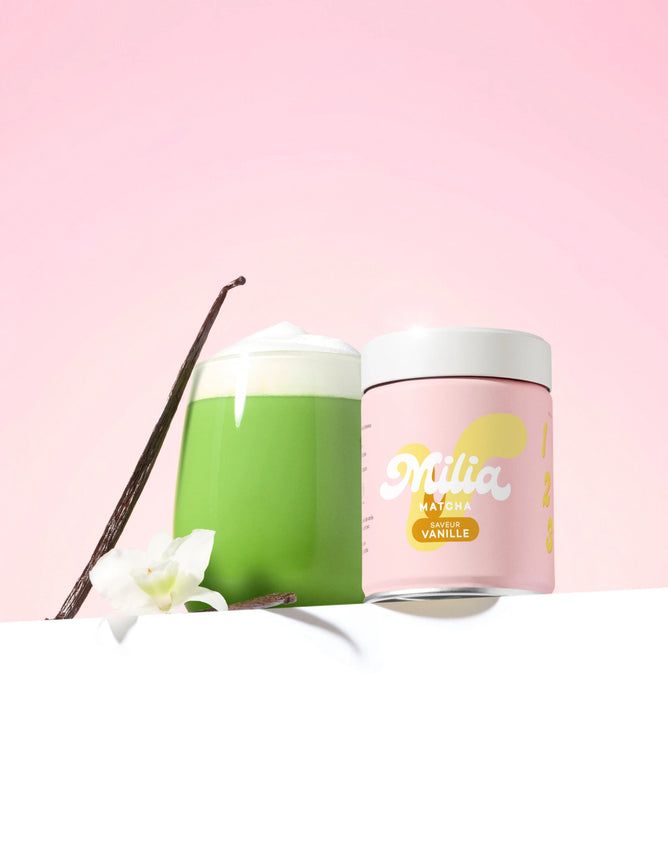
Ceremonial Matcha
Vanilla
100G
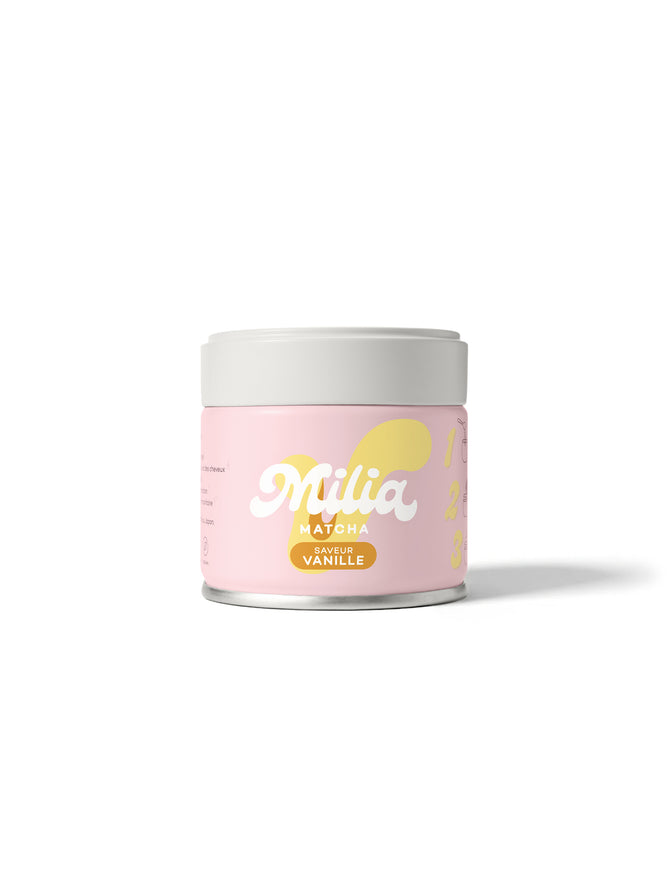
Ceremonial Matcha
Vanilla
30G

THE ESSENTIALS
Ceremonial
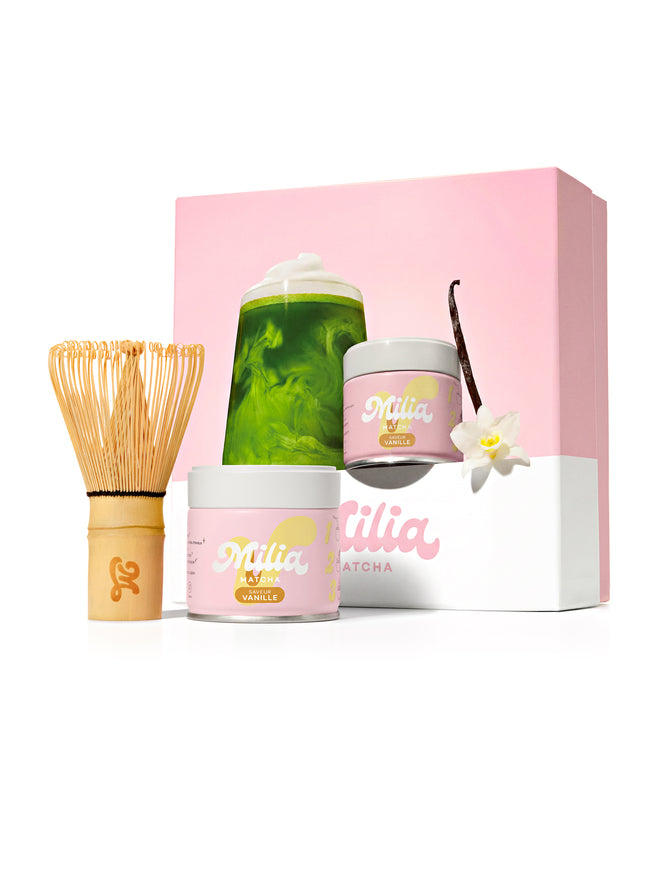
THE ESSENTIALS
Vanilla


