


BACK IN STOCK

BACK IN STOCK
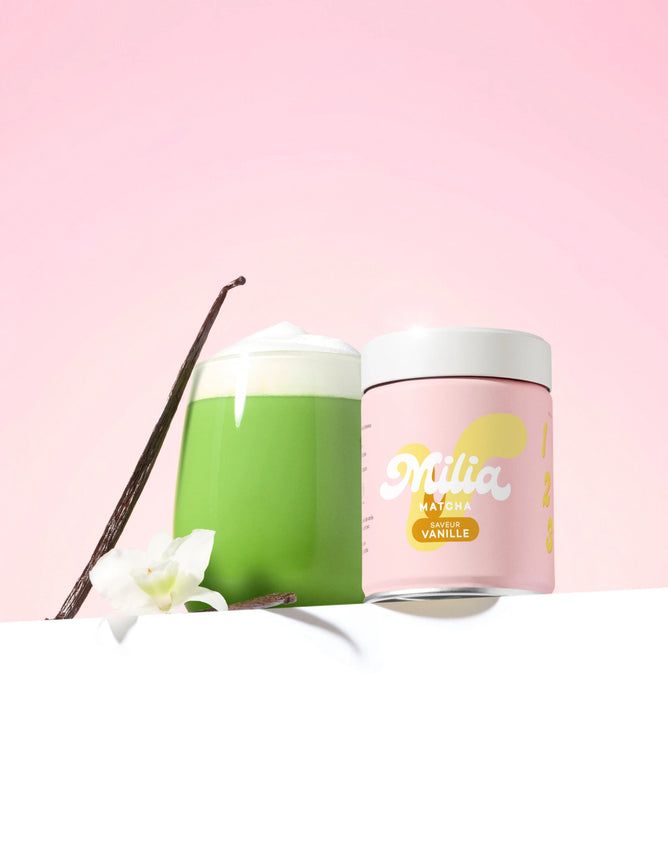
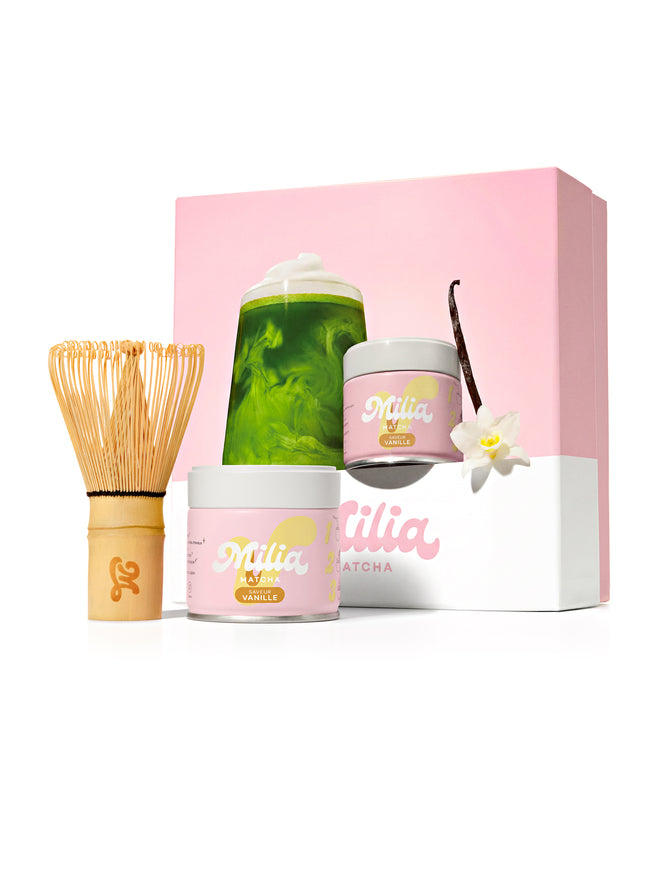
Discover our Vanilla Matcha
Milia World

Our story
A family passion

our matcha
Japanese craftsmanship passed down from generation to generation

the benefits
A drink with multiple benefits.

the blog
Check out our news

Guide
Article published on September 16, 2026.
The chasen is an essential tool for preparing matcha. Without it, it’s hard to achieve the fine, creamy foam that makes for a perfect cup of matcha. The good news is that it requires almost no maintenance: just a few seconds of care before and after each cup is all it takes to ensure it will last you a long time.
The chasen, or matcha whisk, is a traditional Japanese utensil carved from a single piece of bamboo, which is split and then shaped to form a ring of thin slats. Its design allows the matcha powder to be mixed with water, releasing its aromas and creating a light, even foam on the surface.
The chasen originated with the Japanese tea ceremony. Its design was perfected more than five centuries ago in Takayama, a village in Nara Prefecture that remains the birthplace of this object to this day and where it has been recognized as a traditional craft since 1975[1][2]. Its form has remained virtually unchanged since then: a handle, a ring of hand-split twigs, and a string that separates them into two rows.
Not all chasen are created equal, and the right choice depends on how you plan to use it. The main factor is the number of strands : the higher the number, the finer and denser the foam produced. Models range from about fifteen to over a hundred strands[3]:
For everyday use, the standard chasen has about 80 prongs. It offers the best balance between ease of whisking and foam quality: enough prongs to create a fine, even emulsion, without the fragility of models with too many prongs. This is the size we chose for the chasen at Milia Matcha.
The type of bamboo mainly affects the appearance:
For everyday use, a chasen with about 80 light-colored bamboo strands is the simplest and most durable choice.
Just before preparing your matcha, run the bamboo strands under hot tap water for a few seconds. This simple step softens the bamboo, slightly opens the crown, and prevents strands from breaking while whisking. A damp chasen glides through the water; a dry chasen whisked too quickly will eventually split.
That's it. No soaking, no waiting: by the time you get your powder out, the chasen is ready.
Once you've sifted your matcha into the bowl and poured in water at 70–80 °C:
Hold the chasen
between your thumb and fingers, without squeezing it.
Whip with your wrist
not from the arm, using quick W- or M-shaped movements.
Stay on the surface
rather than pressing down on the bottom of the bowl: the goal is to incorporate air to create foam, not to mix thoroughly.
This is the step that is most often overlooked, yet it is the most important for the chasen's longevity.
Rinse it immediately with clean, cold, or lukewarm water, gently running the twigs under a stream of water to remove all traces of matcha. Never use soap—it damages the bamboo fibers.
Then let it air-dry, resting on its stem with the twigs pointing upward, in a well-ventilated area. Avoid storing it while it’s still damp in a drawer or a closed box: moisture promotes mold growth and weakens the bamboo.
Once dry, store the chasen in a stable place, away from direct light and moisture. Avoid the bathroom, which is often too humid, and the windowsill, which is exposed to temperature fluctuations.
A small spot on a shelf in the kitchen, away from the oven and stovetop, is all it takes to keep the bamboo in good shape and flexible between uses.
If properly cared for, a chasen will generally last anywhere from six months to a year. There are three signs that indicate it’s time to replace it: several broken twigs, a crown that no longer regains its shape once moistened, or strands that remain spread apart.
A worn-out chasen no longer whips properly: the foam is less fine, and the powder isn’t mixed as well. This is often the first thing you notice in the bowl, even before you look at the tool.
In summary
Recommendation: A chasen with about 80 light-colored bamboo strands for everyday use.
Before: a few seconds under hot water.
During: quick “W” motions, starting from the wrist, without pressing against the bottom.
After: rinse with clean water, let dry with the strands pointing upward.
Storage: Keep in a dry place, away from direct light and heat sources.
Frequently Asked Questions
Rinse it with clean water immediately after use, without soap or detergent, then let it air dry with the twigs facing upward. Soap and boiling water damage the bamboo fibers.
No. Heat, water pressure, and detergents weaken and break the twigs. Clean them by hand with plain water—it only takes a few seconds.
Yes, just a few seconds under hot running water is enough. The bamboo becomes more flexible, making it easier to whisk, and the strands don’t break.
For everyday use, a chasen with about 80 prongs is the ideal choice: it has enough prongs to create a fine, even foam, while remaining easy to handle and durable. Models with 16 or 32 prongs are reserved for koicha, the thick ceremonial matcha.
It lasts from six months to a year with regular use, provided you rinse it after each cup and let it air dry. When several bristles are broken or the lather becomes less fine, it’s time to replace it.
An unusual odor is usually caused by incomplete drying or storage in conditions that are too damp. If the odor persists even after thorough rinsing, it’s best to replace the chasen: this may indicate the onset of mold in the bamboo.
The chasen is designed to stir fine powder into water. It is not suitable for loose-leaf teas or traditional herbal teas.
An electric whisk can do the job, but it doesn’t produce the same frothy texture as a chasen, whose fine twigs incorporate air differently.
[1] Nara Prefecture. Traditional Crafts: The Takayama Chasen (高山茶筌). https://www.pref.nara.lg.jp/kougei-taiken/1043.html
[2] City of Ikoma. History of the Takayama Chasen: 500 Years of Craftsmanship. https://www.city.ikoma.lg.jp/0000002709.html
[3] City of Shizuoka, Chasen Guide: Types of Bamboo and Number of Strands. https://www.shizuoka-citypromotion.jp/chasen-tea-whisk-guide/
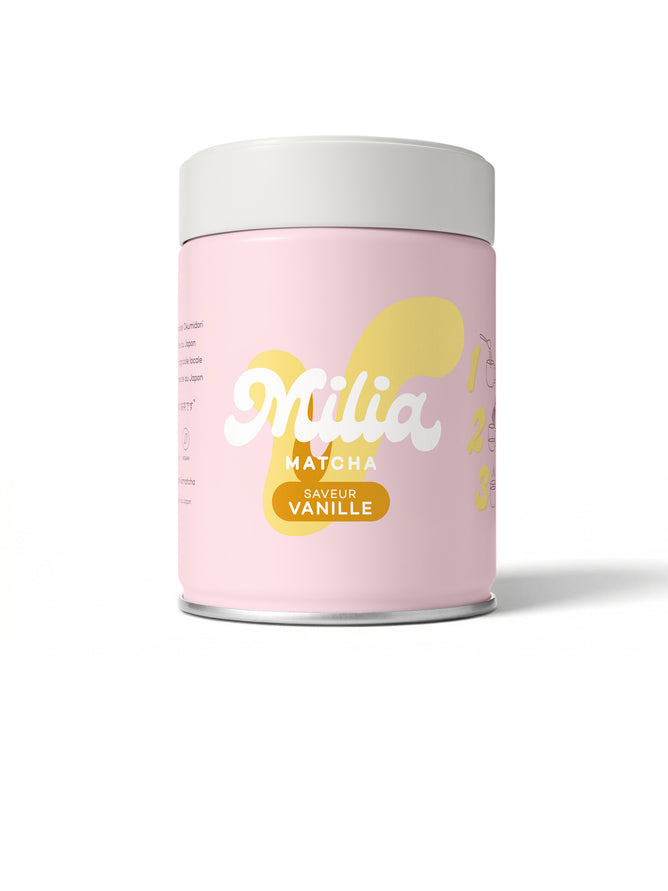
Ceremonial Matcha
Vanilla
100G
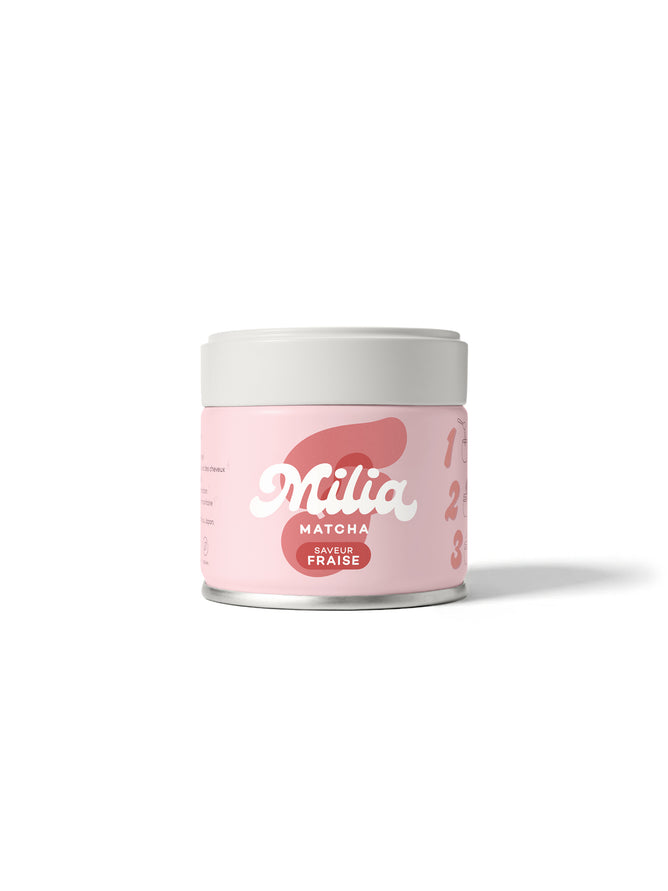
Ceremonial Matcha
Strawberry
30G
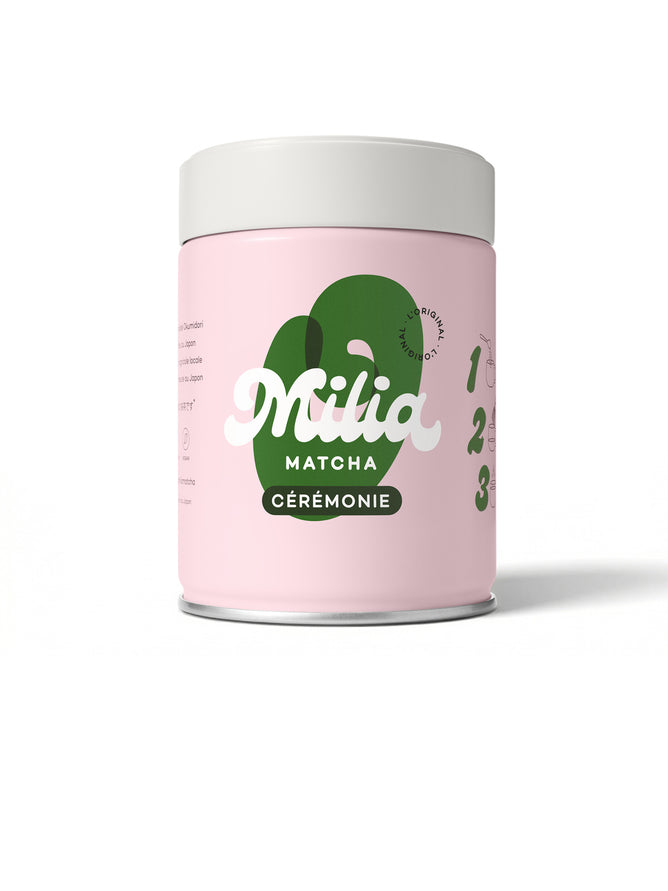
Ceremonial Matcha
Ceremonial
100G
THE ESSENTIALS
Vanilla


